

What is Plantar Fasciitis?
August 8, 2025
Understanding PRP Therapy for Foot and Ankle Injuries
October 14, 2025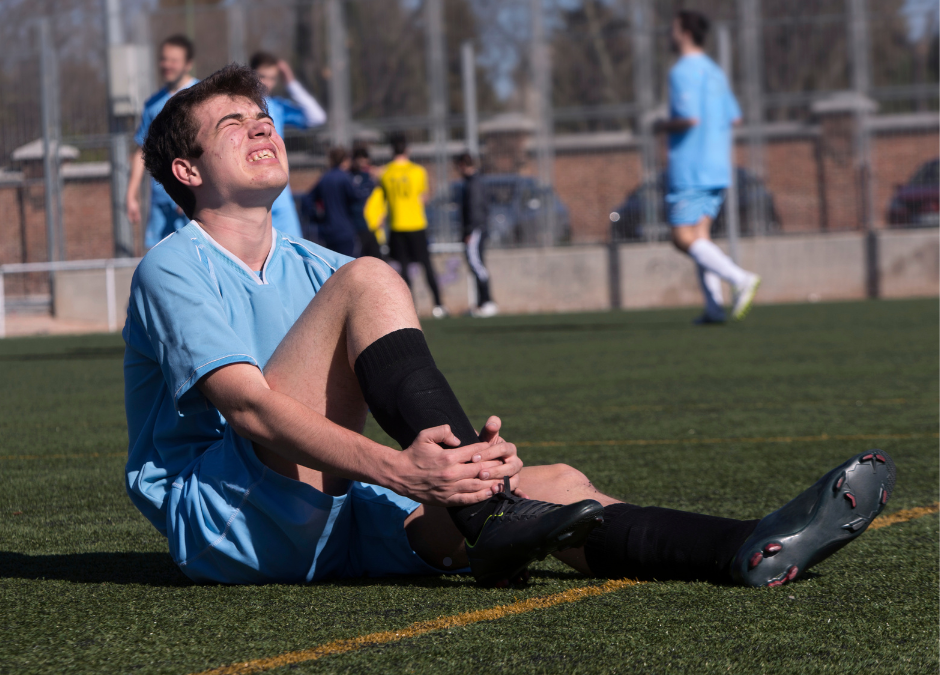
Why Does My Foot Hurt When I Exercise? A Guide to Common Sports Injuries.
The foot and ankle play a critical role in nearly every athletic movement—running, jumping, cutting, pivoting. Because of their constant involvement and the high stress placed on them during sports, they are particularly susceptible to a variety of injuries.
Whether you’re a weekend warrior or professional competitor, understanding the most common sports-related foot and ankle conditions can help you prevent them—or seek timely treatment when needed. In the following blog, Foot & Ankle Center of the Rockies will cover the basics!
1. Ankle Sprains
Ankle sprains are among the most frequent injuries in sports medicine. They occur when the ligaments that stabilize the ankle joint are stretched or torn, typically due to a sudden twist, roll, or turn of the foot. Lateral ankle sprains, which affect the ligaments on the outside of the ankle, are most common.
Symptoms include:
- Pain on the outside of the ankle
- Swelling and bruising
- Instability while walking
Most mild to moderate sprains can be managed with rest, ice, compression, and elevation (RICE). More severe sprains, especially those with repeated injury, may require a period of immobilization, physical therapy, or even surgical intervention to restore full function.
2. Achilles Tendinitis
The Achilles tendon is the largest tendon in the body and connects the calf muscles to the heel bone. Overuse—particularly in running and jumping sports—can lead to Achilles pain, which includes both tendonitis (inflammation) and tendinosis (degeneration without inflammation).
Symptoms include:
- Gradual onset of heel or calf pain
- Stiffness, especially in the morning
- Pain that worsens with activity
Treatment includes activity modification, eccentric strengthening exercises, physical therapy, and in chronic cases, shockwave therapy or surgery. Early intervention is key to preventing rupture, a serious injury that often requires surgical repair.
3. Plantar Fasciitis
Plantar fasciitis is another overuse condition that affects the plantar fascia, a thick band of tissue that runs along the bottom of the foot. It is particularly common in runners, dancers, and anyone involved in sports that require repetitive foot strikes.
Symptoms include:
- Sharp pain in the heel, especially with the first steps in the morning
- Pain that improves with activity but returns after rest
- Tenderness along the arch of the foot
Management includes stretching, orthotics, anti-inflammatory medications, night splints, and in some cases, corticosteroid injections. Persistent cases may benefit from physical therapy or more advanced modalities like shockwave or platelet-rich plasma (PRP) injections.
4. Stress Fractures
Stress fractures are tiny injuries in bones caused by repetitive force or overuse. In the foot and ankle, common sites include the metatarsals, the calcaneus, and the navicular.
Symptoms include:
- Localized pain that worsens with activity and improves with rest
- Swelling or bruising
- Tenderness to touch at a specific point
Diagnosis often requires imaging beyond plain X-rays, such as MRI or bone scans. Treatment involves rest, immobilization with a boot or cast, and gradual return to activity. Vitamin D and bone density assessment may be recommended, especially in younger athletes.
5. Turf Toe
Turf toe refers to a sprain of the big toe joint, usually caused by hyperextension. It is particularly common in athletes who play on artificial turf—hence the name—but can happen in any sport involving sudden stops or directional changes.
Symptoms include:
- Pain, swelling, and limited motion at the base of the big toe
- Difficulty pushing off the toe while walking or running
Mild cases respond well to RICE and taping, while more severe injuries may require immobilization or surgical repair if there is joint instability or cartilage damage.
6. Peroneal Tendon Injuries
The peroneal tendons run along the outer part of the ankle and are crucial for ankle stability. These tendons can become inflamed (tendonitis), degenerate (tendinosis), or even dislocate with repetitive stress or trauma.
Symptoms include:
- Pain and swelling on the outside of the ankle
- A snapping sensation during ankle movement
- Weakness or instability
Treatment involves physical therapy, ankle bracing, and, in cases of subluxation or tears, surgical repair.
Preventing Foot and Ankle Injuries
Prevention begins with proper conditioning, supportive footwear, and attention to biomechanics. Warming up before activity, cross-training to avoid overuse, and addressing any pain early can go a long way in maintaining foot and ankle health.
If you’re experiencing persistent foot or ankle discomfort, consult a sports medicine specialist. Prompt diagnosis and appropriate management can reduce downtime and get you back to doing what you love—stronger and safer than before.
At Foot & Ankle Center of the Rockies, we offer a full range of podiatric services to patients with an emphasis on treatment specifically designed for you as an individual. Our practice is ready to serve your entire family with excellent care for the unique podiatric concerns of children, adults, and seniors. Whether you need a routine podiatric checkup, surgical or non-surgical treatment for a foot or ankle disorder, or custom orthotics to increase comfort and sports performance, Foot & Ankle Center of the Rockies is the right choice!